
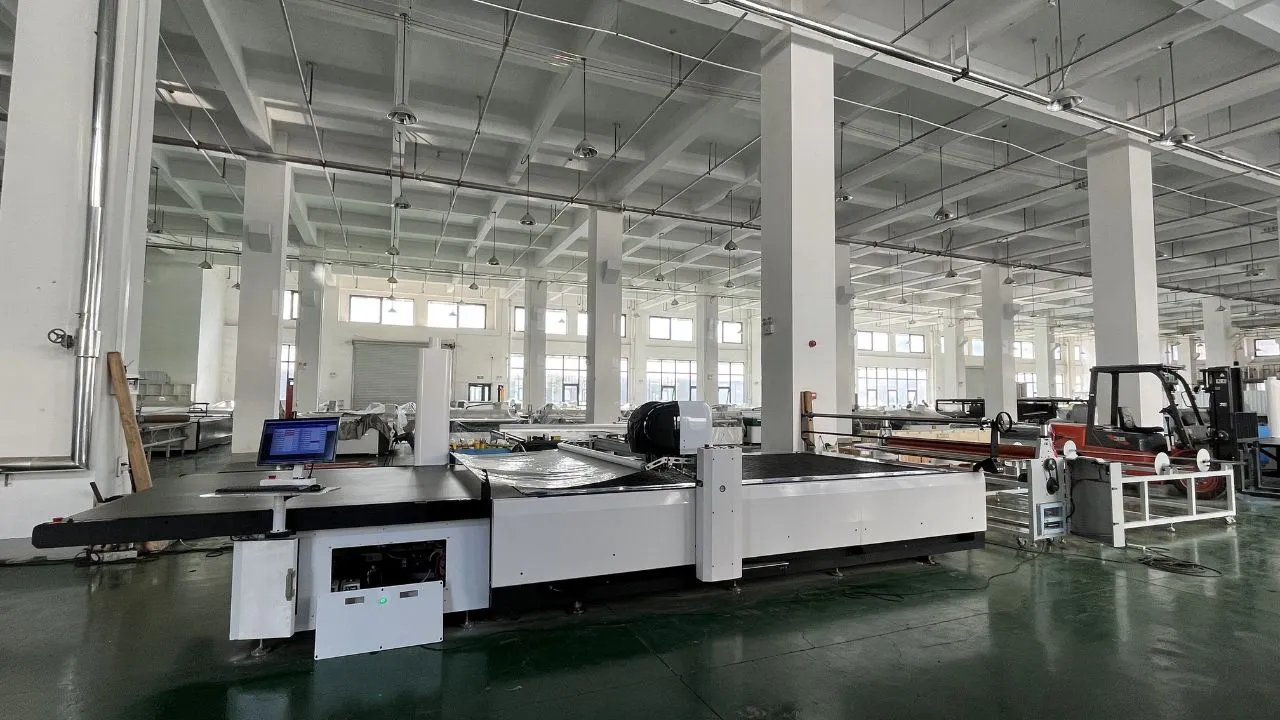
In today’s fast-paced textile industry, efficiency and precision are no longer optional, they are essential. An automatic fabric cutting machine transforms raw material into perfectly cut pieces with minimal waste, reduced labor costs, and consistent quality. By integrating such technology into a production line, manufacturers can meet tight deadlines, scale output, and maintain strict tolerances that manual cutting simply cannot achieve. The result is a smoother workflow, higher profitability, and a competitive edge in a market that rewards speed and accuracy.
Why Choose an Automatic Fabric Cutting Machine?
Modern cutting systems bring a range of benefits that address the most common challenges faced by fabric manufacturers:
- Precision Cutting: Laser-guided or blade-based systems cut to exact dimensions, eliminating human error.
- Material Optimization: Advanced nesting software maximizes fabric utilization, reducing scrap by up to 30%.
- Speed and Throughput: High-speed operation can process dozens of layers per minute, dramatically increasing output.
- Reduced Labor Dependency: Automation lessens the need for skilled cutters, freeing staff for higher-value tasks.
- Consistency Across Batches: Uniform cuts ensure product quality remains stable, essential for brand reputation.
For a deeper dive into the strategic advantages, Discover expert strategies here.
Key Features to Evaluate
Cutting Technology
Different machines employ various cutting mechanisms, each suited to specific fabric types:
- Rotary Blade: Ideal for lightweight to medium-weight woven fabrics.
- Laser Cutting: Provides clean edges on synthetic blends and eliminates fraying.
- Waterjet Cutting: Best for delicate or heat-sensitive materials.
Software Integration
Effective software is the brain behind the hardware. Look for:
- Intuitive nesting algorithms that auto-arrange patterns for optimal fabric usage.
- Compatibility with popular CAD formats (DXF, AI, PLM systems).
- Real-time monitoring dashboards for predictive maintenance.
To explore how software can streamline production, Learn about our tailored solutions.
Implementation Steps for Seamless Integration
Adopting an automatic fabric cutting machine involves more than just purchasing equipment. A systematic approach ensures a smooth transition:
- Assess Production Requirements: Determine volume, fabric types, and tolerance levels.
- Select the Appropriate Model: Match machine capacity and cutting technology to your needs.
- Plan Facility Layout: Allocate space for the machine, material handling, and waste collection.
- Train Operators: Provide hands-on training on software, safety protocols, and routine maintenance.
- Run Pilot Tests: Conduct small-batch runs to fine-tune settings and validate quality.
- Scale Up: Gradually increase production while monitoring key performance indicators.
Detailed guidance on each phase can be found in the Explore advanced guides and tips section.
Cost-Benefit Analysis
While the upfront investment may appear significant, the long-term savings are compelling. Consider the following factors:
- Labor Savings: Reducing manual cutting hours translates directly into lower wage expenses.
- Material Savings: Optimized nesting reduces fabric waste, cutting material costs.
- Reduced Rework: Precise cuts lower the incidence of defective pieces, saving time and resources.
- Energy Efficiency: Modern machines are designed for low power consumption relative to output.
For a quantitative perspective, Find out more about this approach and see case studies that illustrate ROI timelines.
Maintenance and Longevity
Ensuring the machine remains reliable requires a proactive maintenance schedule:
- Daily cleaning of cutting heads and work surfaces.
- Weekly inspection of belts, motors, and sensors.
- Quarterly software updates to keep nesting algorithms current.
- Annual professional servicing to replace wear components.
Adhering to these practices extends equipment life, minimizes downtime, and protects the investment.
Future Trends in Automated Fabric Cutting
The industry continues to evolve with innovations that further enhance productivity:
- AI-Driven Nesting: Machine learning predicts optimal layouts based on historical data.
- IoT Connectivity: Real-time data streams enable predictive maintenance and remote diagnostics.
- Sustainable Materials Handling: Integration with recycling systems for off-cut reuse.
- Hybrid Cutting Solutions: Machines that combine laser and blade technologies for versatile applications.
Staying informed about these developments helps manufacturers maintain a competitive edge. For ongoing updates, regularly Explore advanced guides and tips.
Conclusion
Investing in an automatic fabric cutting machine is a strategic move that addresses core challenges of precision, speed, and cost efficiency. By selecting the right technology, integrating it thoughtfully, and maintaining it diligently, manufacturers can unlock higher productivity, lower waste, and consistent quality. The result is a streamlined production line capable of meeting the demands of today’s textile market while positioning the business for future growth.