
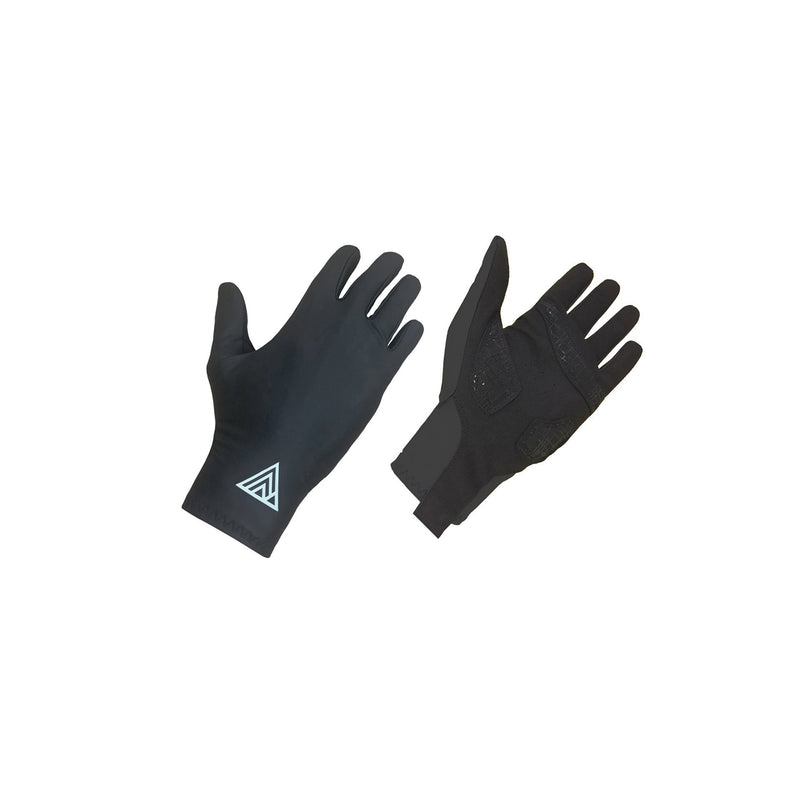
When the margins between victory and defeat are measured in seconds, every aerodynamic advantage counts. Cycling aero gloves are a subtle yet powerful component of a racer’s kit, influencing drag, handling precision, and comfort during long, high-speed efforts. Selecting the right pair requires a blend of scientific understanding and practical insight, ensuring that the gloves complement the rider’s position, climate conditions, and performance goals. This guide walks through the critical factors to consider, helping cyclists make an informed choice that enhances speed without sacrificing control.
Understanding Aerodynamics in Cycling Gloves
Aero gloves are designed to streamline the hand-arm profile, reducing turbulent airflow that contributes to drag. The key aerodynamic principles include:
- Surface smoothness: Seam-less construction and low-profile fabrics minimize airflow disruption.
- Shape conformity: Contoured designs hug the hand, allowing the rider to maintain an aggressive tuck.
- Material density: Lightweight, high-tech fibers provide stiffness where needed while staying light.
For a deeper dive into how these factors translate to real-world speed gains, Discover expert strategies here offers detailed explanations and test data.
Key Features to Evaluate
Fit and Ergonomics
The glove must fit like a second skin. An overly loose glove creates flapping, increasing drag, while a too-tight glove restricts blood flow and reduces grip.
- Measure hand circumference at the knuckles and compare with manufacturer size charts.
- Look for adjustable closures (Velcro or silicone straps) that fine-tune the fit.
- Consider gloves with pre-curved fingers that match the natural hand position on aero bars.
Material Composition
High-performance aero gloves typically combine the following materials:
- Carbon-reinforced panels: Provide rigidity for a stable hand position.
- Technical Lycra or polyester blends: Offer a sleek surface and moisture-wicking properties.
- Silicone grip zones: Ensure secure handling of brake levers without adding bulk.
To explore specific fabric technologies used in top-tier models, Learn about our tailored solutions provides product-focused breakdowns.
Ventilation and Temperature Management
Racing in varied climates demands gloves that balance aerodynamics with thermal regulation.
- Perforated panels or mesh inserts in non-critical zones promote airflow.
- Thin, breathable liners prevent overheating while maintaining a low profile.
- For colder conditions, detachable thermal inserts can be added without compromising the glove’s shape.
Durability and Grip Longevity
Aero gloves endure repetitive pressure on brake levers and shifting mechanisms. Look for reinforced stitching and abrasion-resistant palm patches that retain grip over many miles.
- Double-stitched seams reduce seam failure.
- High-wear silicone or rubber compounds extend the life of the grip area.
- Check warranty terms; many premium brands offer multi-year coverage.
Matching Gloves to Riding Style
Not every aero glove suits every discipline. Align the glove’s characteristics with the rider’s primary focus.
- Time-trial specialists: Prioritize ultra-low drag, minimal padding, and a tight, aerodynamic silhouette.
- Road racers: Need a balance of aero efficiency and tactile feedback for rapid brake modulation.
- Triathletes: Benefit from quick-dry fabrics and easy transitions between swim, bike, and run segments.
For a curated selection based on specific racing scenarios, Explore advanced guides and tips offers curated lists and performance metrics.
Testing and Validation Methods
Before committing to a pair, consider how the glove performs in controlled and real-world tests.
- Wind-tunnel testing: Quantifies drag reduction compared to baseline models.
- On-bike telemetry: Measures power output and speed variations when switching gloves.
- Ergonomic assessments: Evaluates hand fatigue after prolonged effort.
Professional reviews often reference these methodologies. To see recent wind-tunnel results for leading aero gloves, Find out more about this approach provides links to published studies and videos.
Maintenance and Care Tips
Proper upkeep preserves both aerodynamic performance and glove longevity.
- Hand-wash with mild detergent; avoid fabric softeners that can alter material stiffness.
- Air-dry away from direct sunlight to prevent UV degradation.
- Inspect seams and grip zones regularly; replace gloves when wear becomes evident.
Final Recommendations
Choosing the perfect aero glove is a nuanced process that blends fit, material science, and riding intent. By focusing on the outlined criteria, fit precision, aerodynamic shaping, material technology, ventilation, durability, and testing data, cyclists can select a glove that truly contributes to faster, smoother rides.
For a comprehensive catalog that reflects these standards, explore the curated collection at Discover expert strategies here. The range offers options tailored to time-trialists, road racers, and triathletes alike, each vetted for aerodynamic efficiency and functional durability.