
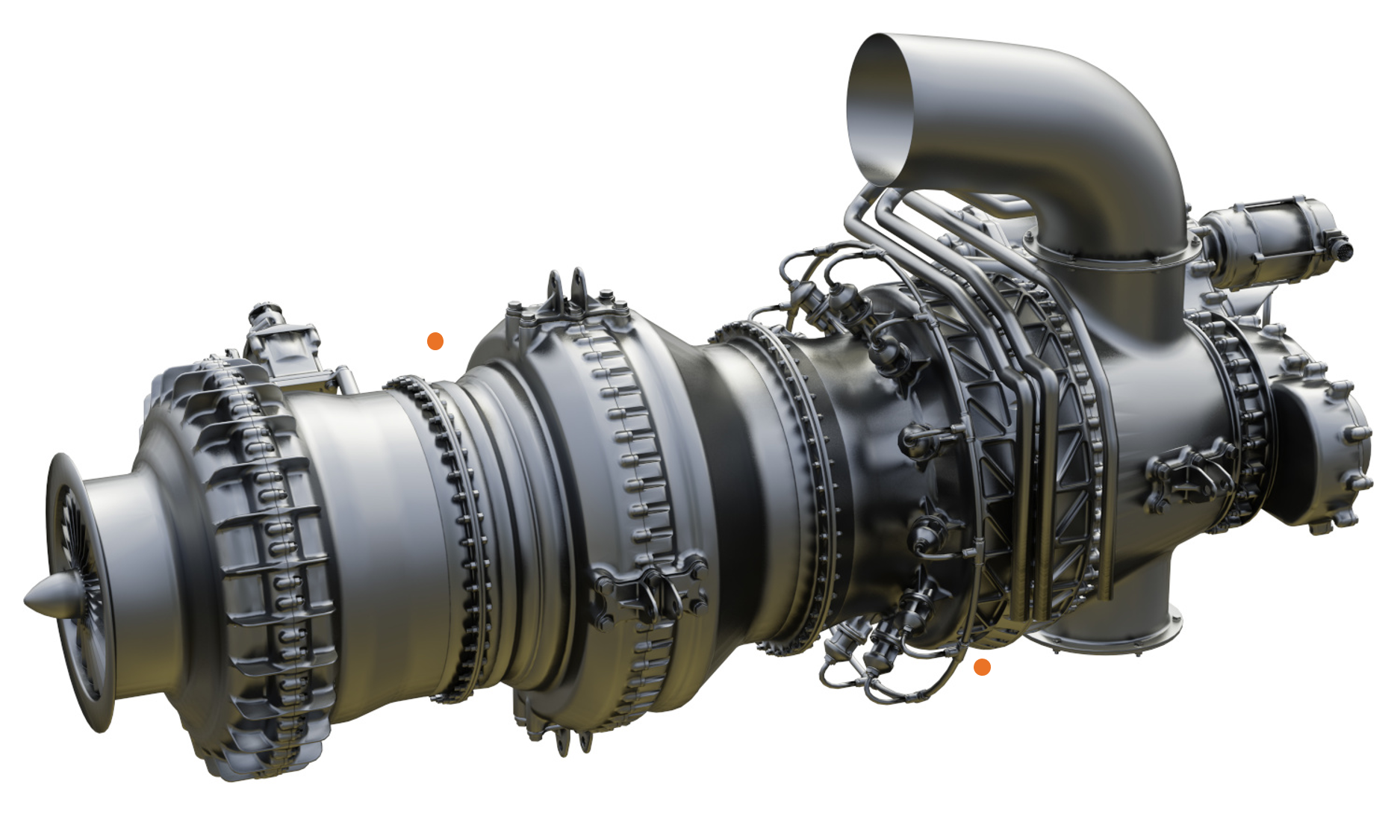
Gas turbine power stations have emerged as a reliable and efficient energy solution for various industries and applications. These power plants utilize gas turbines to generate electricity, offering several benefits over traditional fossil fuel-based power generation methods. The use of gas turbines in power generation has gained significant attention in recent years due to their high efficiency, flexibility, and environmental advantages. At the heart of this technology is the gas turbine, which is capable of burning a wide range of fuels, including natural gas, diesel, and even biomass. This flexibility allows gas turbine power stations to be easily integrated into existing power grids, making them an attractive option for power generation.
Benefits of Gas Turbine Power Stations
One of the primary advantages of gas turbine power stations is their high efficiency. These power plants can achieve efficiency levels of up to 60%, which is significantly higher than traditional fossil fuel-based power generation methods. This increased efficiency results in lower fuel consumption and reduced greenhouse gas emissions, making gas turbine power stations an attractive option for industries looking to reduce their environmental footprint. Additionally, gas turbine power stations are highly flexible and can be easily scaled up or down to meet changing energy demands. This flexibility makes them an ideal choice for industries with fluctuating energy needs, such as data centers and cryptocurrency mining operations.
- High efficiency levels of up to 60%
- Reduced fuel consumption and greenhouse gas emissions
- High flexibility and scalability
- Easy integration into existing power grids
Environmental Advantages of Gas Turbine Power Stations
Gas turbine power stations offer several environmental advantages over traditional fossil fuel-based power generation methods. The use of gas turbines allows for the combustion of a wide range of fuels, including natural gas, diesel, and even biomass. This flexibility enables gas turbine power stations to be easily integrated into existing power grids, reducing the need for new infrastructure development. Additionally, gas turbine power stations can be designed to operate on low-carbon fuels, such as hydrogen and synthetic natural gas, further reducing their environmental impact. Discover expert strategies here on how to maximize the environmental benefits of gas turbine power stations.
- Reduced greenhouse gas emissions
- Lower air pollutant emissions
- Increased use of low-carbon fuels
- Reduced infrastructure development needs
Case Studies and Applications
Gas turbine power stations have been successfully implemented in a variety of industries and applications. For example, the use of gas turbines in combined cycle power plants has enabled the efficient generation of electricity and heat. This approach has been adopted by several power generation companies, including those in the United States and Europe. Learn about our tailored solutions for gas turbine power station implementation and discover how our team of experts can help you optimize your power generation operations.
- Combined cycle power plants
- Industrial power generation
- Residential power generation
- Remote power generation
Conclusion
In conclusion, gas turbine power stations offer a reliable and efficient energy solution for various industries and applications. Their high efficiency, flexibility, and environmental advantages make them an attractive option for power generation. By leveraging the benefits of gas turbine power stations, industries can reduce their environmental footprint, lower their energy costs, and improve their overall efficiency. Explore advanced guides and tips on how to implement gas turbine power stations in your operations and find out more about this approach by visiting our website at https://alliedpg.com/.