
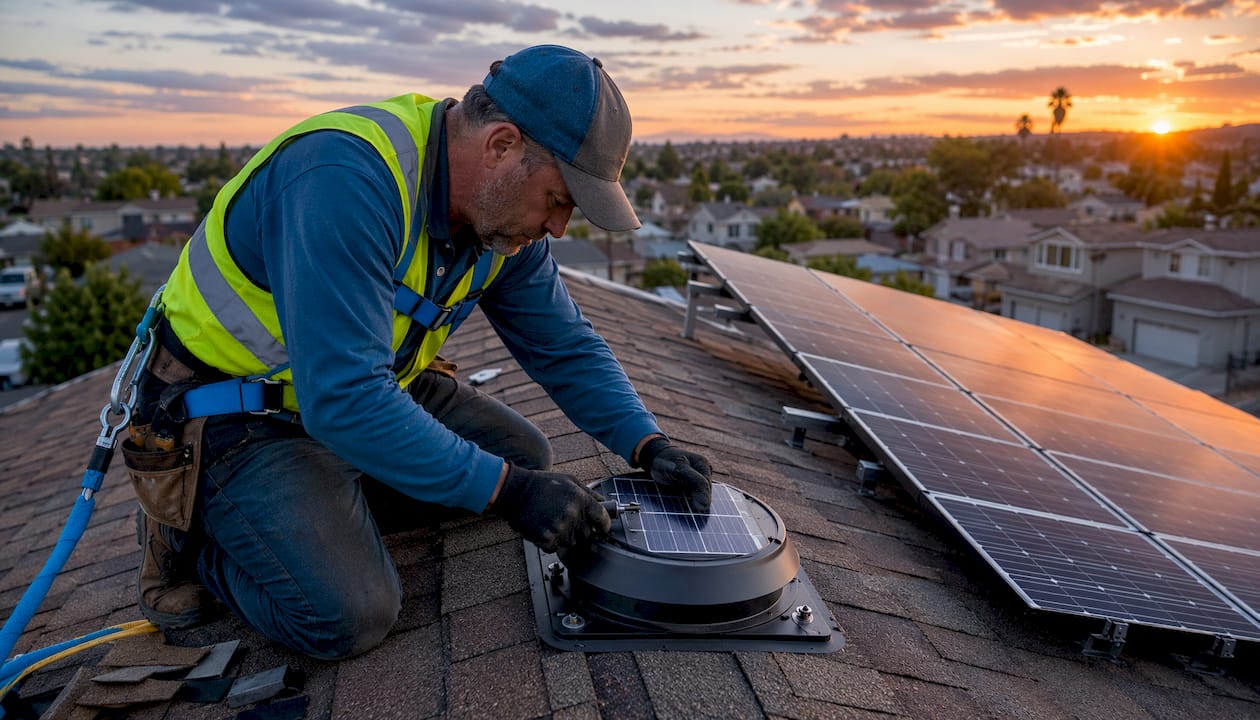
In Raleigh’s humid climate, attic temperatures can soar far above outdoor conditions, placing unnecessary strain on HVAC systems and increasing energy costs. Solar attic fans offer a passive, energy-efficient solution that draws hot air out of the attic while pulling cooler air in, helping to maintain a balanced indoor environment. Proper installation is essential to maximize performance, extend the life of the roof, and ensure compliance with local building codes. This guide outlines the critical steps, considerations, and best practices for achieving a reliable solar attic fan setup in Raleigh.
Why Choose Solar Attic Fans for Raleigh Homes
Solar attic fans operate without drawing power from the electrical grid, making them an environmentally friendly alternative to traditional exhaust fans. Their benefits include:
- Energy Savings: By reducing the workload on air-conditioning units, homeowners can see noticeable reductions in monthly utility bills.
- Extended Roof Longevity: Lower attic temperatures decrease thermal stress on roofing materials, slowing down wear and tear.
- Improved Indoor Air Quality: Continuous ventilation helps prevent moisture buildup, mold growth, and the accumulation of pollutants.
- Quiet Operation: Solar fans run only when the sun is shining, eliminating noise during nighttime or cloudy periods.
Key Factors to Evaluate Before Installation
Roof Type and Structural Integrity
Different roofing materials, shingles, metal, tile, or slate, require specific mounting techniques. A thorough inspection should confirm that the roof can support the fan’s weight and that there are no underlying structural concerns.
Sun Exposure and Placement
Optimal performance depends on direct sunlight. The fan should be positioned on the side of the roof that receives the most sun throughout the day, typically the south- or west-facing slope in Raleigh. Avoid shading from nearby trees, chimneys, or other rooftop equipment.
Ventilation Pathways
Effective airflow requires clear intake vents (e.g., soffit or ridge vents) to allow cooler air to replace the hot air being expelled. A balanced ventilation system prevents negative pressure that could pull insulation away from the attic floor.
Step-by-Step Installation Process
- Site Assessment: Conduct a comprehensive roof inspection to verify structural soundness, identify the best solar exposure, and map existing ventilation pathways.
- Material Selection: Choose a fan rated for Raleigh’s climate, with a durable housing, corrosion-resistant components, and a capacity matched to the attic’s square footage.
- Mounting Preparation: Mark the mounting location, ensuring a minimum clearance of 12 inches from roof edges and other penetrations. Cut a precise opening in the roofing material, following manufacturer guidelines.
- Seal and Secure: Install a waterproof flashing kit around the fan housing, applying roofing sealant to prevent leaks. Fasten the fan securely using stainless-steel screws.
- Electrical Connection: Attach the solar panel to the fan’s controller, routing wiring through a weather-proof conduit. Verify polarity and test the fan’s operation under sunlight.
- Ventilation Verification: Confirm that intake vents are unobstructed and that air is flowing freely from the attic to the exterior.
- Final Inspection: Perform a post-installation check for leaks, proper fan operation, and compliance with Raleigh building codes.
Benefits of Professional Installation Services
While DIY projects can be tempting, professional installers bring expertise that safeguards both the fan’s performance and the home’s structural integrity. Advantages include:
- Accurate assessment of roof load capacity and sun exposure.
- Compliance with local permits and building regulations.
- Proper sealing techniques that prevent future water intrusion.
- Warranty protection that often requires documented professional installation.
For homeowners seeking reliable expertise, exploring options for solar attic fan installation in Raleigh can provide peace of mind and ensure long-term performance.
Maintenance Tips to Extend Fan Lifespan
Solar attic fans are designed for low maintenance, but periodic checks can keep them operating at peak efficiency:
- Visual Inspection: Look for debris, bird nests, or snow accumulation that could block the fan or solar panel.
- Cleaning: Gently wipe the solar panel with a soft cloth and mild soap to remove dust and grime that reduce sunlight absorption.
- Electrical Check: Verify that wiring connections remain secure and free from corrosion.
- Seasonal Review: Before summer, ensure the fan spins freely; after winter, confirm that ice or snow has not caused damage.
Cost Considerations and Return on Investment
Initial installation costs vary based on fan size, roof complexity, and labor rates. However, the energy savings and extended roof life often result in a favorable return on investment within 3-5 years. Homeowners should request detailed quotes that break down equipment, labor, and any permitting fees to compare value across providers.
Conclusion
Integrating a solar attic fan into a Raleigh residence offers a sustainable method to regulate attic temperature, protect roofing materials, and lower energy consumption. By evaluating roof conditions, ensuring proper placement, and opting for professional installation, homeowners can maximize the system’s efficiency and durability. Regular maintenance further guarantees that the fan continues to perform reliably season after season, delivering both comfort and cost savings for years to come.