
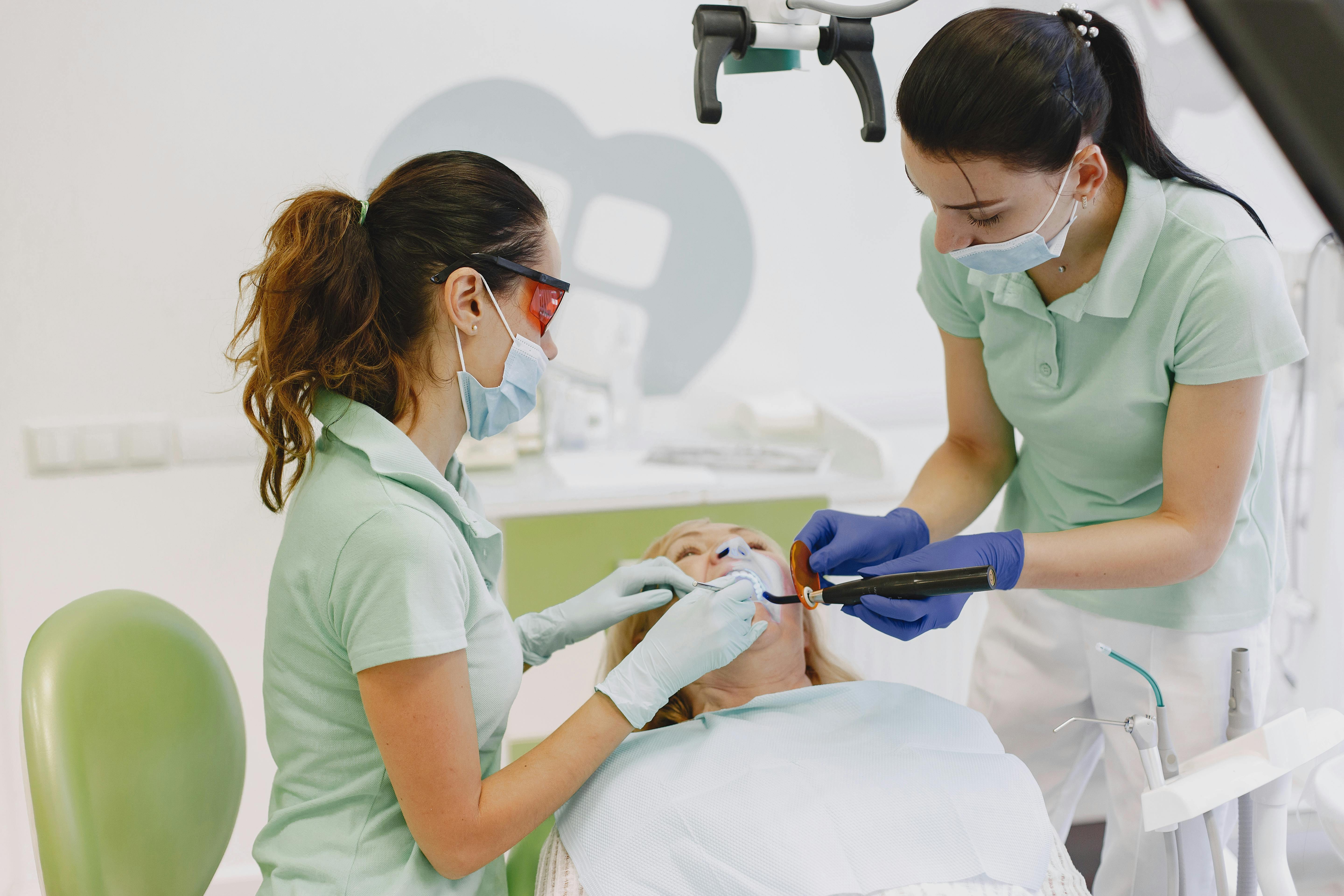
Choosing tooth-colored fillings for a decayed or damaged tooth is a decision that balances aesthetics, durability, and comfort. For patients in Clark, New Jersey, the first appointment sets the tone for a smooth, confidence-building experience. Understanding what happens during that initial visit helps alleviate anxiety and prepares individuals for the steps that follow, from examination to the final polished restoration.
What Happens During the Initial Consultation?
The first visit is primarily diagnostic and educational. The dental professional will:
- Review the patient’s medical and dental history to identify any factors that could affect treatment.
- Conduct a visual examination of the teeth and surrounding gums.
- Take digital X-rays or intra-oral photographs to assess the extent of decay.
- Discuss the advantages of tooth colored fillings Clark compared with traditional amalgam options.
These steps provide a comprehensive picture of oral health and allow the dentist to recommend the most appropriate material, typically composite resin, that blends seamlessly with natural tooth shade.
Understanding the Procedure
Preparation of the Tooth
Once a decision is made to proceed, the dentist will:
- Isolate the tooth using a rubber dam or cotton rolls to keep the area dry.
- Remove decayed tissue with a high-speed handpiece, ensuring all compromised material is eliminated.
- Shape the cavity to create optimal retention for the composite material.
Placement of the Composite Resin
The composite is applied in thin layers, each of which is cured with a specialized light. This incremental technique:
- Minimizes shrinkage stress on the tooth structure.
- Allows precise color matching for a natural appearance.
- Ensures a strong bond that resists future wear.
Finishing and Polishing
After the final layer is hardened, the dentist will:
- Adjust the bite to ensure comfortable chewing.
- Polish the surface to a high gloss, replicating the sheen of adjacent teeth.
- Provide post-treatment instructions for care and maintenance.
What to Expect After the Appointment
Recovery from a tooth-colored filling is typically swift. Most patients experience minimal sensitivity, which usually subsides within a few days. It is advisable to:
- Avoid extremely hot or cold foods for the first 24-48 hours.
- Maintain regular oral hygiene, brushing twice daily with a fluoride toothpaste.
- Schedule a follow-up if any persistent discomfort or discoloration occurs.
Benefits Specific to Clark Residents
Choosing a local provider ensures quick access to follow-up care and personalized service. In addition, patients often appreciate:
- Convenient office locations within Clark, NJ.
- State-of-the-art digital imaging that reduces radiation exposure.
- Expertise in matching the exact shade of surrounding teeth for a truly invisible restoration.
For those searching online, the phrase “white fillings Clark NJ or near me” frequently leads to reputable practices that specialize in cosmetic restorative dentistry.
Cost Considerations and Insurance
While tooth-colored fillings are generally more expensive than amalgam, many dental insurance plans cover a portion of the procedure because composite resin is considered a restorative material. Patients should:
- Verify coverage details with their insurer before treatment.
- Ask about any financing options or payment plans available.
- Consider the long-term aesthetic and functional benefits when evaluating cost.
Preparing for Your First Visit
To make the most of the initial appointment, patients can take a few simple steps:
- Compile a list of current medications and any allergies.
- Bring previous dental records or X-rays if switching providers.
- Write down questions about materials, longevity, and after-care.
Having this information ready allows the dental team to focus on the clinical aspects and tailor the treatment plan to the individual’s needs.
Conclusion
The first visit for tooth-colored fillings in Clark is a structured, patient-centered experience that combines thorough assessment with cutting-edge restorative techniques. By understanding each phase, from diagnosis and material selection to placement and aftercare, patients can approach the appointment with confidence, knowing that the outcome will be both functional and aesthetically pleasing. Proper preparation, clear communication, and realistic expectations are key to achieving a seamless, long-lasting result that enhances both smile and oral health.