
In today’s hyper-connected world, the demand for faster and more reliable internet connectivity is ever-increasing. With businesses and individuals relying heavily on digital platforms, the need for an efficient and robust communication infrastructure has become paramount. Fiber optics technology, renowned for its superior speed and reliability, stands at the forefront of revolutionizing connectivity. This article delves into the intricacies of fiber optics, highlighting its benefits, applications, and the future of connectivity.
The Basics of Fiber Optics
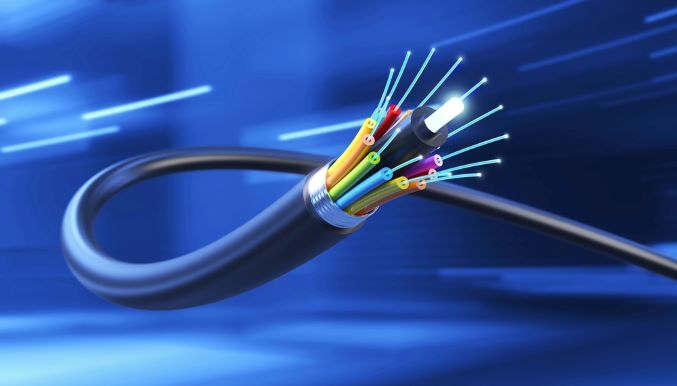
Fiber optics technology utilizes thin strands of glass or plastic, known as optical fibers, to transmit data as light signals. This method of data transmission is not only faster but also less prone to interference compared to traditional copper wires.
Key Features of Fiber Optics
- High Bandwidth: Fiber optics support significantly higher bandwidth, making them ideal for data-intensive applications.
- Low Signal Degradation: Unlike copper cables, fiber optics experience minimal signal loss over long distances.
- Immunity to Electromagnetic Interference: Optical fibers are not affected by electromagnetic interference, ensuring stable connectivity.
- Enhanced Security: Fiber optic cables are difficult to tap, providing a secure medium for data transmission.
Applications of Fiber Optics
The versatility of fiber optics extends across various industries, transforming how organizations operate and communicate. Discover expert strategies here.
Telecommunications
Fiber optics play a crucial role in the telecommunications industry, enabling high-speed internet services and supporting vast networks of communication infrastructure. Their ability to carry large volumes of data efficiently makes them the backbone of modern telecommunication systems.
Medical Industry
In the medical field, fiber optics are used in endoscopy and imaging devices, providing clear and precise visuals for diagnostics and surgeries. This technology enhances the capabilities of medical professionals, enabling better patient outcomes. Learn about our tailored solutions.
Industrial Applications
Fiber optics are also employed in industrial settings for monitoring and automation processes. The high reliability and speed of fiber optics ensure seamless data transmission, essential for maintaining operational efficiency.
Advantages of Fiber Optics Over Traditional Connectivity
The transition from traditional copper cables to fiber optics brings numerous advantages, making it a preferred choice for organizations aiming for superior connectivity. Explore advanced guides and tips.
- Cost Efficiency: Despite the higher initial investment, fiber optics offer long-term cost savings due to lower maintenance needs and enhanced durability.
- Scalability: Fiber optic networks can easily scale to accommodate growing data demands without significant infrastructure changes.
- Future-Proofing: With the ever-increasing demand for bandwidth, fiber optics provide a future-proof solution that can adapt to evolving technological advancements.
The Future of Fiber Optics
As technology continues to evolve, fiber optics will play a pivotal role in shaping the future of global connectivity. The integration of fiber optics with emerging technologies such as 5G, IoT, and smart cities will further enhance their application scope, driving innovation and efficiency across sectors. Find out more about this approach.
The continuous development and deployment of fiber optic technology will ensure that businesses and individuals remain connected, productive, and competitive in the digital age.