
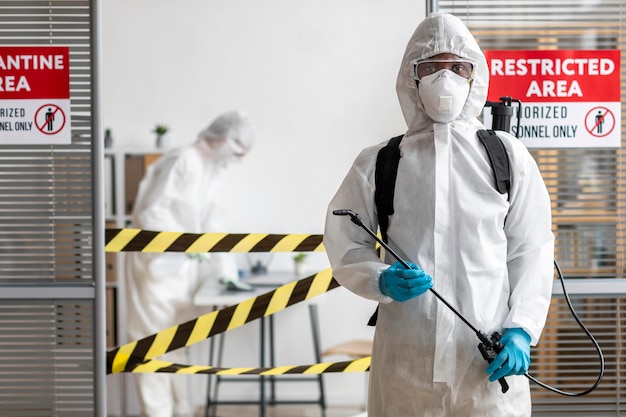
Mosquito-borne illnesses pose a significant threat to public health, and finding effective solutions is crucial for communities to thrive. Mosquito control services have become essential in recent years, given the increasing prevalence of diseases transmitted by mosquitoes. To combat the problem effectively, a comprehensive approach is necessary, involving a combination of prevention, detection, and treatment methods. This article will explore the various aspects of mosquito control pest control services, highlighting the importance of a multi-faceted strategy and providing information on how to implement effective protection plans.
Understanding Mosquito-Borne Diseases
Mosquitoes are responsible for spreading a range of diseases, including malaria, dengue fever, and Zika virus. These illnesses can have severe consequences, especially for vulnerable populations such as the elderly and young children. The risk of mosquito-borne diseases is not limited to tropical regions; mosquitoes can thrive in various environments, making it essential for communities worldwide to take proactive measures.
Prevention and Detection Methods
Preventing mosquito infestations is the most effective way to mitigate the risk of mosquito-borne diseases. This can be achieved through a combination of measures, including eliminating standing water around homes and buildings, installing window screens, and using mosquito repellents. Additionally, early detection of mosquito infestations is crucial for implementing timely control measures. This involves monitoring for mosquito activity, identifying breeding sites, and implementing targeted control strategies.
Mosquito Control Services: A Comprehensive Approach
Mosquito control services often involve a range of techniques, including larval control, adult mosquito control, and surveillance. Larval control methods aim to prevent mosquito larvae from developing into adult mosquitoes, while adult mosquito control methods focus on eliminating existing mosquito populations. Surveillance is critical for monitoring mosquito activity and identifying areas where control measures are needed.
Advanced Guides and Tips
For those looking to implement effective mosquito control measures, there are numerous resources available. Discover expert strategies here to learn about tailored solutions that cater to specific environments and needs. Explore advanced guides and tips, such as the use of mosquito traps and the importance of integrated pest management (IPM) strategies.
Implementing Effective Protection Plans
Implementing effective protection plans requires a thorough understanding of the specific mosquito control needs of a community. This involves assessing the local mosquito population, identifying areas where control measures are needed, and implementing targeted control strategies. Learn about our tailored solutions to find out more about this approach and how it can be adapted to meet the unique needs of a community.
Conclusion
Mosquito control pest control services are essential for protecting public health and preventing the spread of mosquito-borne diseases. By understanding the various aspects of mosquito control and implementing effective protection plans, communities can reduce the risk of mosquito-borne illnesses and create a safer environment for residents. To find out more about this approach and how to implement it in your community, visit this website for expert guidance and advice.