
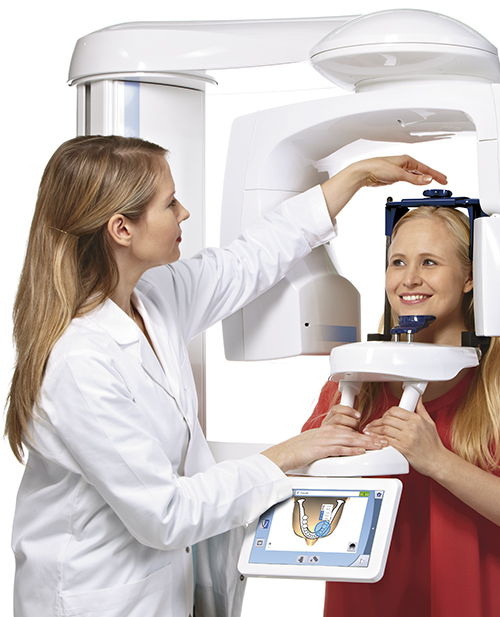
In the rapidly advancing field of dental technology, 3D tooth scans have emerged as a groundbreaking tool, transforming how dental professionals diagnose and treat various oral health issues. By providing a highly detailed and accurate representation of a patient’s dental anatomy, 3D scans allow for enhanced precision and improved patient outcomes. This article delves into the intricacies of 3D tooth scanning technology, its advantages, and its applications in modern dentistry.
The Technology Behind 3D Tooth Scans
3D tooth scans utilize advanced imaging technology to create three-dimensional representations of teeth and surrounding structures. This technology employs a combination of digital scanning and imaging techniques that capture detailed information about the shape, size, and position of each tooth.
Core Components of 3D Scanning
- Digital Impressions: Unlike traditional methods that use physical molds, 3D scanners use digital impressions to create highly accurate models of the dental arch.
- Advanced Imaging Software: This software processes the digital impressions, converting them into detailed 3D models that can be easily manipulated and examined from various angles.
- High-Resolution Output: The precision of 3D tooth scans is largely due to the high-resolution output provided by the scanning devices, allowing for detailed visualizations of even the smallest dental features.
For those interested in the technical aspects, explore further insights here.
Benefits of 3D Tooth Scans
The adoption of 3D scanning technology in dentistry offers numerous benefits, both for practitioners and patients.
- Enhanced Diagnostic Accuracy: 3D scans offer a comprehensive view of the dental structures, aiding in the accurate diagnosis of issues such as tooth decay, misalignment, and periodontal disease.
- Improved Treatment Planning: Dentists can utilize 3D models to plan treatments with greater precision, ensuring better fitting restorations, crowns, and aligners.
- Patient Comfort: The non-invasive nature of 3D scanning eliminates the discomfort associated with traditional impression-taking methods.
- Time Efficiency: The quick capture and processing of 3D scans streamline dental appointments, reducing waiting times and enhancing overall efficiency.
Learn more in this detailed guide about the benefits and applications of 3D scanning technology in dental practices.
Applications in Modern Dentistry
The versatility of 3D tooth scanning technology makes it applicable across various dental disciplines, enhancing both diagnostic and treatment processes.
Key Applications Include:
- Orthodontics: 3D scans provide detailed insights into tooth positioning, aiding in the development of customized orthodontic treatments and aligners.
- Implantology: Accurate 3D models enable precise implant placement, increasing success rates and reducing complications.
- Prosthodontics: The creation of crowns, bridges, and dentures is significantly improved through detailed 3D impressions, leading to better fitting restorations.
- Endodontics: Detailed imaging aids in the visualization of root canal systems, enhancing the accuracy of endodontic procedures.
For more information on the expansive applications of 3D scanning in dentistry, find additional information here.
Future Prospects
As 3D scanning technology continues to evolve, its integration into dental practices is expected to grow, offering even more advanced diagnostic and treatment capabilities. Continuous improvements in imaging technology, software algorithms, and data processing will likely expand the scope of 3D scanning applications, further enhancing dental care quality and efficiency.
To stay updated on the latest advancements in 3D scanning technology, read more about this topic.