
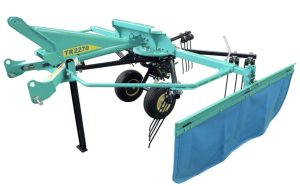
The landscape of farming equipment sales is evolving rapidly, driven by technological advancements and changing market demands. Farmers today are increasingly looking for efficient, reliable, and cost-effective solutions to enhance productivity and sustainability. In this dynamic environment, understanding the latest trends and technologies is crucial for stakeholders in the agricultural sector. This article delves into the current trends in farming equipment sales, highlighting innovative technologies that are shaping the future of agriculture.
Current Trends in Farming Equipment Sales
As the global population continues to grow, the demand for agricultural produce is rising, prompting farmers to adopt advanced equipment. Here are some key trends currently observed in the farming equipment market:
- Precision Agriculture: Equipment that supports precision farming techniques is gaining popularity. This includes machinery equipped with GPS and IoT technology to optimize field-level management regarding crop farming.
- Automation and Robotics: The use of automated tools and robotic systems is increasing to reduce the reliance on manual labor and improve efficiency.
- Sustainability: There is a growing demand for eco-friendly and energy-efficient machinery that minimizes environmental impact.
- Aftermarket Services: With advanced machinery, the need for quality aftermarket services, including maintenance and repair, is becoming more prominent.
To explore further insights into these trends, explore further insights here.
Technological Innovations in Farming Equipment
Technological advancements are revolutionizing how farming equipment is designed, manufactured, and utilized. Some notable innovations include:
Smart Tractors
Smart tractors are equipped with advanced systems that allow for real-time data collection and analysis. These tractors can be controlled remotely and are often integrated with precision agriculture technologies to enhance efficiency.
For more details on smart farming equipment, read more about this topic.
Drones and Aerial Imaging
Drones are increasingly used for crop monitoring, soil analysis, and aerial imaging. They provide farmers with vital data to make informed decisions regarding crop management and resource allocation.
Learn more in this detailed guide on how drones are transforming agriculture.
Autonomous Harvesters
Autonomous harvesters are designed to perform harvesting tasks with minimal human intervention. These machines use sensors and AI to navigate fields and harvest crops efficiently, reducing labor costs and increasing output.
Challenges and Opportunities
The adoption of advanced farming equipment also comes with its set of challenges and opportunities:
- Investment Costs: The initial investment in advanced equipment can be high, which might be a barrier for small-scale farmers.
- Training and Skill Development: There is a need for training programs to equip farmers with the necessary skills to operate advanced machinery.
- Data Management: With increased data generation, managing and analyzing this information becomes crucial for maximizing benefits.
- Market Expansion: The increasing demand for advanced equipment opens up new markets and opportunities for innovation and growth.
Find additional information here on overcoming these challenges and seizing opportunities.
Conclusion
The farming equipment industry is at a pivotal point, where technological advancements and market demands drive significant change. As farmers and stakeholders adapt to these changes, staying informed about the latest trends and technologies becomes essential. By embracing innovation, the agricultural sector can look forward to increased productivity, sustainability, and profitability. For a comprehensive overview of the latest developments in farming equipment, learn more in this detailed guide.