
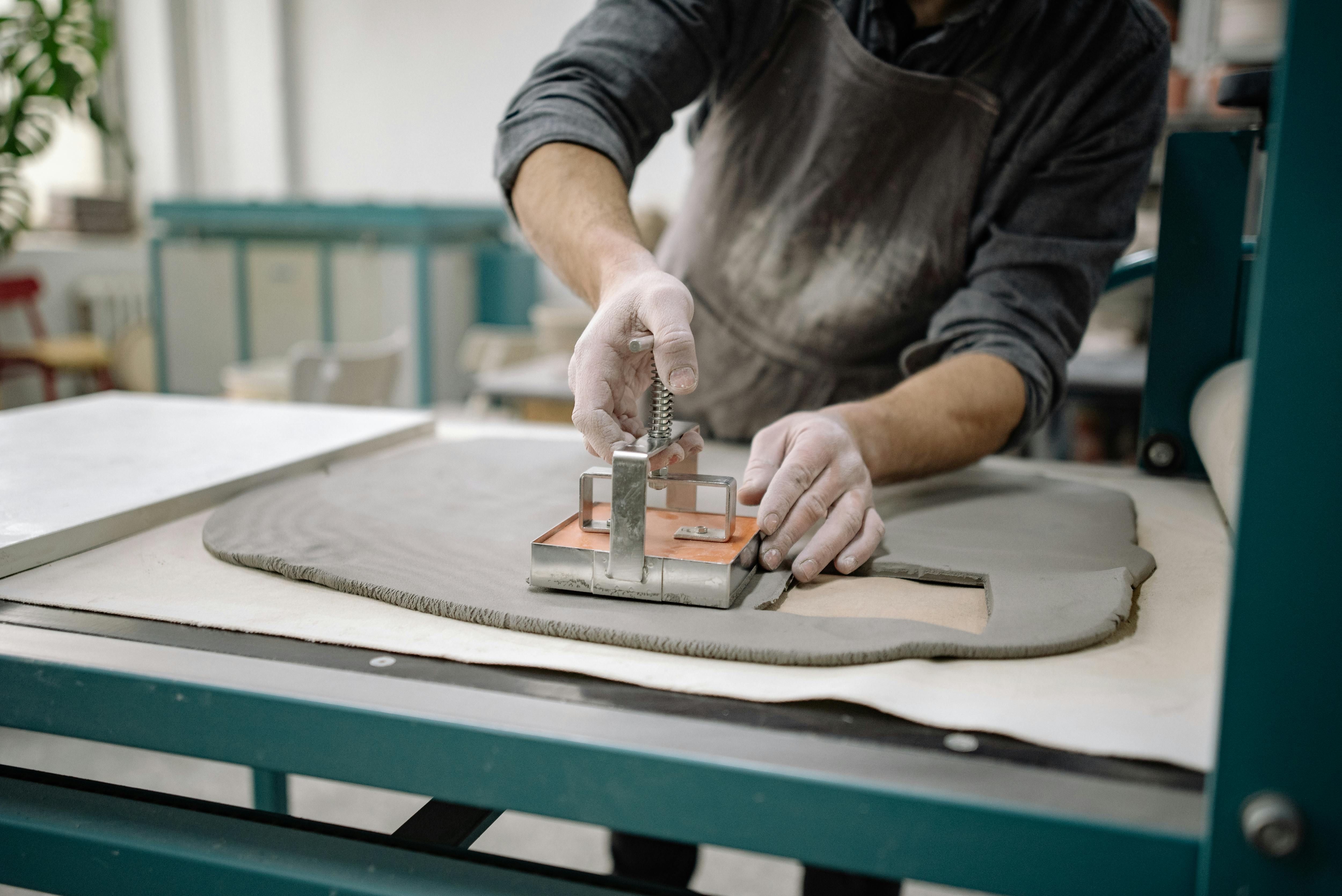
Compression moulding is a widely used process in the plastics industry for producing high-quality parts with complex geometries. This method involves injecting molten plastic into a mould, where it is then cooled and removed to produce the final product. The process offers several advantages, including reduced material waste and increased product consistency. However, it also requires careful planning and execution to ensure optimal results.
The Compression Moulding Process
The compression moulding process typically begins with the preparation of the mould, which is precision-engineered to produce the desired part geometry. The mould is then heated to a temperature that allows the plastic to flow freely, after which the molten plastic is injected into the mould. The plastic is then allowed to cool and solidify, after which the mould is opened and the part is ejected. This process is repeated until the desired number of parts is produced.
Key Factors in Compression Moulding
- Material selection: The choice of plastic material is critical in compression moulding, as it directly affects the final product’s properties and performance.
- Mould design: The mould must be designed to produce the desired part geometry and to ensure efficient plastic flow.
- Processing conditions: The temperature, pressure, and cooling rate must be carefully controlled to achieve optimal results.
Discover expert strategies for optimizing the compression moulding process, including tips on material selection and mould design, on the Compression Moulding page.
Benefits of Compression Moulding
The compression moulding process offers several benefits, including reduced material waste, increased product consistency, and improved surface finish. Additionally, the process allows for the production of complex geometries and thin walls, making it ideal for producing parts with intricate details.
Applications of Compression Moulding
- Automotive industry: Compression moulding is widely used in the automotive industry for producing parts such as dashboards, door panels, and engine components.
- Electronics industry: The process is also used in the electronics industry for producing parts such as connectors, switches, and circuit boards.
- Medical industry: Compression moulding is used in the medical industry for producing parts such as implants, surgical instruments, and diagnostic equipment.
Learn about our tailored solutions for the compression moulding process and discover how we can help you optimize your production.
Conclusion
In conclusion, compression moulding is a versatile and widely used process in the plastics industry. With careful planning and execution, the process can produce high-quality parts with complex geometries and improved surface finish. By selecting the right material, designing the mould correctly, and controlling the processing conditions, manufacturers can achieve optimal results and improve their overall efficiency. Explore advanced guides and tips on the Compression Moulding page to learn more about this approach and how it can benefit your business.
Find out more about the compression moulding process and how it can be used to produce high-quality parts with complex geometries. With the right expertise and resources, manufacturers can achieve optimal results and improve their overall efficiency.