
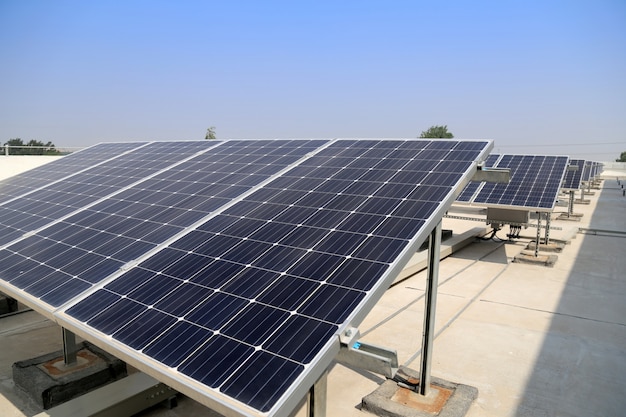
Commercial solar energy systems are rapidly becoming a cornerstone of modern business strategy in Roanoke. As electricity costs climb and sustainability targets tighten, companies are turning to photovoltaic installations to lower operating expenses, improve brand reputation, and future-proof their facilities. By harnessing the abundant Appalachian sunshine, enterprises can convert a fixed cost, sunlight, into a reliable, renewable power source that directly supports daily operations. This article explores the key benefits, design considerations, and implementation steps for businesses interested in adopting solar technology, with practical guidance tailored to the Roanoke market.
Why Commercial Solar Makes Business Sense
- Reduced Energy Bills: Solar panels generate electricity on-site, offsetting a significant portion of the utility bill and providing predictable long-term savings.
- Tax Incentives & Credits: Federal Investment Tax Credit (ITC) and state-level incentives can cover up to 30% of system costs, dramatically improving return on investment.
- Energy Independence: On-site generation reduces reliance on volatile grid prices and protects operations during outages.
- Corporate Sustainability: Demonstrating a commitment to clean energy enhances brand image and meets ESG (Environmental, Social, Governance) criteria.
- Asset Value Increase: Solar installations are considered a capital improvement, often boosting property valuation.
Key Design Considerations for Roanoke Businesses
Site Assessment & Roof Suitability
Before any installation, a thorough site audit is essential. Factors such as roof orientation, shading from nearby trees or structures, and load-bearing capacity determine the feasibility of a rooftop system. In some cases, ground-mounted arrays may be more appropriate, especially for larger facilities with ample land.
System Size & Energy Demand Matching
Accurately sizing a solar system requires analyzing historical electricity usage, peak demand periods, and future growth projections. An oversized system can lead to unnecessary capital outlay, while an undersized one may not deliver the expected savings.
Regulatory & Interconnection Requirements
Roanoke utilities have specific interconnection standards and permitting processes. Engaging with local authorities early helps avoid delays. Many installers assist with paperwork, but businesses should stay informed about net metering policies and any applicable fees.
Financial Models & Incentive Programs
Commercial solar projects can be financed through several pathways, each with distinct cash-flow implications:
- Direct Purchase: Full ownership yields the highest long-term savings but requires substantial upfront capital.
- Power Purchase Agreement (PPA): A third party installs and maintains the system; the business purchases electricity at a fixed, reduced rate.
- Solar Lease: Similar to a PPA, but the lease payment is typically fixed, regardless of energy production.
To explore the most advantageous financing option, Discover expert strategies here. Detailed analyses of local tax credits, depreciation schedules, and utility rebates can further improve project economics.
Implementation Steps: From Planning to Operation
- Initial Consultation: Engage a qualified solar consultant to evaluate site conditions and discuss objectives.
- Pre-Design & Feasibility Study: Generate a preliminary layout, estimate production, and calculate ROI.
- Permitting & Approvals: Submit plans to the city, utility, and any relevant environmental agencies.
- Engineering & Procurement: Select high-efficiency modules, inverters, and mounting systems that meet local codes.
- Installation: Certified electricians and installers complete the physical build, adhering to safety standards.
- Commissioning & Interconnection: System testing, performance verification, and grid connection.
- Monitoring & Maintenance: Ongoing performance monitoring software alerts operators to any issues; routine cleaning and inspections keep output optimal.
For a deeper dive into each phase, Learn about our tailored solutions. The guide outlines best practices for contract negotiation, warranty management, and post-installation support.
Maximizing Operational Efficiency with Solar Integration
- Smart Energy Management: Pair solar arrays with battery storage and demand-response systems to shift load during peak pricing periods.
- Hybrid Systems: Combine solar with existing generators for seamless backup during extended outages.
- Data Analytics: Use real-time monitoring dashboards to track production, identify underperforming panels, and optimize maintenance schedules.
Businesses that integrate these technologies often see an additional 5-10% boost in overall energy efficiency. Detailed case studies illustrate how Roanoke manufacturers reduced downtime and improved sustainability metrics.
Future Outlook: Solar Trends Shaping Roanoke’s Commercial Landscape
Emerging innovations such as bifacial modules, perovskite-silicon tandem cells, and AI-driven predictive maintenance are set to increase solar output and lower costs further. As state policies evolve to favor renewable integration, companies that adopt solar now position themselves ahead of regulatory changes and market expectations.
Staying informed about these developments is crucial. Explore advanced guides and tips. Regular webinars and industry reports provide actionable insights for continuous improvement.
Conclusion
Investing in commercial solar energy systems offers Roanoke businesses a compelling combination of cost savings, energy resilience, and environmental stewardship. By carefully assessing site conditions, selecting the appropriate financial model, and partnering with experienced solar professionals, companies can achieve a swift payback period and long-term operational benefits. The transition to clean power not only strengthens the bottom line but also aligns enterprises with the growing demand for sustainable practices, ensuring competitiveness in an increasingly eco-conscious market.