
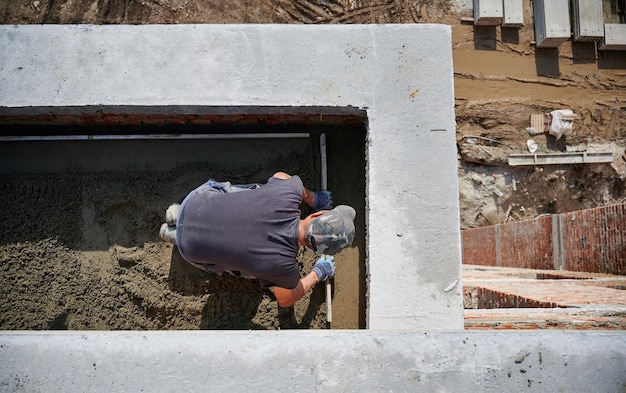
Choosing the right concrete company and contractors near you can feel overwhelming, especially when the success of a residential or commercial project hinges on the quality of the foundation, driveway, or patio. A solid decision involves more than just price; it requires evaluating expertise, reliability, and the ability to meet local building codes. This guide walks through the essential criteria, questions to ask, and red-flags to watch for, helping homeowners and developers make an informed choice that ensures durability and long-term value.
Why Experience Matters in Concrete Work
Concrete is a material that tolerates little error. A contractor with years of hands-on experience understands the nuances of mix ratios, curing times, and weather-related adjustments. When searching for “concrete company near me,” consider the following:
- Number of years the business has been operating in the region.
- Portfolio of completed projects similar to yours.
- Special certifications such as ACI (American Concrete Institute) or local licensing.
For a deeper dive into proven strategies, Discover expert strategies here.
Key Factors to Evaluate
1. Licensing, Insurance, and Certifications
Always verify that the contractor holds a valid state license and carries both general liability and workers’ compensation insurance. This protects you from potential legal and financial complications should an accident occur on site.
2. Reputation and Customer Feedback
Word-of-mouth and online reviews provide insight into reliability and workmanship. Prospective clients can Check out customer reviews here to gauge satisfaction levels and identify any recurring issues.
3. Transparent Pricing and Detailed Estimates
A reputable contractor will supply a written estimate that breaks down material costs, labor, equipment fees, and any potential extra charges. Look for clear terms regarding payment schedules and change-order procedures.
4. Quality of Materials and Mix Design
High-quality concrete begins with the right mix design tailored to the project’s load requirements and environmental exposure. Ask about the source of aggregates, the use of admixtures, and whether the contractor performs slump tests on-site.
5. Project Management and Communication
Effective communication reduces delays and misunderstandings. Choose a contractor who assigns a dedicated project manager, provides regular progress updates, and is responsive to questions.
Questions to Ask Before Hiring
- Can you provide references from recent projects similar to mine?
- What is your typical timeline for a project of this scope?
- Do you handle all necessary permits and inspections?
- How do you ensure proper curing and protection against weather extremes?
- What warranty do you offer on workmanship and materials?
Red Flags to Avoid
Being aware of warning signs can save time and money. Watch out for:
- Unusually low bids that seem too good to be true.
- Lack of a physical office or clear contact information.
- Reluctance to provide a written contract or detailed estimate.
- Negative or missing reviews on reputable platforms.
- Requests for large upfront cash payments without a signed agreement.
How to Verify a Contractor’s Track Record
Beyond reviews, perform a few additional checks:
- Visit completed job sites, if possible, to assess finish quality.
- Request copies of insurance certificates and verify them with the issuing agency.
- Confirm that the contractor is registered with local building departments.
- Check for any past complaints filed with the Better Business Bureau.
Choosing the Right Concrete Company Near You
When you have narrowed down a shortlist, compare each candidate against the criteria outlined above. A side-by-side matrix can be helpful:
| Company | Experience (Years) | License & Insurance | Customer Rating | Estimated Cost |
|---|---|---|---|---|
| Company A | 15 | Verified | 4.8/5 | $12,500 |
| Company B | 8 | Verified | 4.5/5 | $11,800 |
| Company C | 20 | Verified | 4.9/5 | $13,200 |
Additional Resources for In-Depth Knowledge
For those who want to expand their understanding of concrete best practices, the industry offers a wealth of guides and technical articles. A solid source of actionable information can be found at Explore advanced guides and tips, which covers topics ranging from mix design to sustainable concrete solutions.
Final Checklist Before Signing the Contract
- Confirm all licensing and insurance documents are current.
- Review the detailed written estimate and ensure no hidden fees.
- Verify the project timeline and milestones.
- Secure a signed contract that includes warranty terms.
- Ensure the contractor has a clear communication plan.
By following these steps, you’ll be well-equipped to select a concrete company and contractors near you who deliver quality, reliability, and peace of mind. For a curated list of vetted professionals and further assistance, Learn about our tailored solutions and make an informed decision that stands the test of time.