
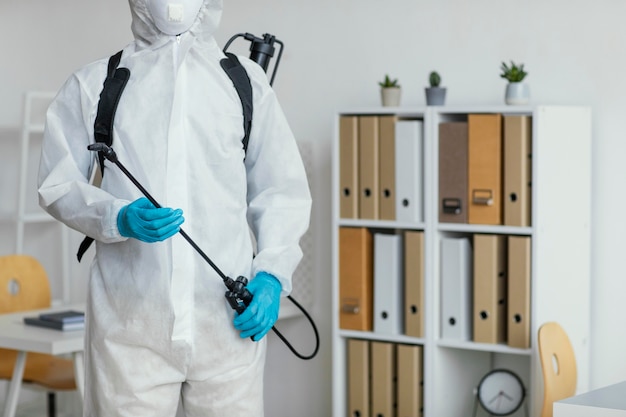
Ant infestations can quickly turn a comfortable home or workplace into a source of frustration and potential damage. These tiny insects are not only a nuisance; they can compromise food safety, damage wooden structures, and even trigger allergic reactions. Selecting a qualified professional for ant control ensures that the problem is addressed efficiently, safely, and with long-lasting results. By relying on specialists who understand ant behavior, chemical safety, and integrated pest management, property owners gain peace of mind and protect their investments.
Understanding Ant Biology and Why Professional Intervention Matters
Ants operate as highly organized colonies, with workers, soldiers, and a queen each playing specific roles. This social structure enables rapid expansion and makes eradication challenging for DIY methods. Professional exterminators bring several advantages:
- Accurate Identification: Different ant species require distinct treatment approaches. Misidentifying the species can lead to ineffective control.
- Targeted Treatment Plans: Experts develop strategies that focus on both visible foragers and hidden nests, reducing the chance of re-infestation.
- Safe Chemical Application: Licensed technicians know how to apply pesticides responsibly, protecting occupants and pets while maximizing efficacy.
Key Benefits of Choosing Specialized Ant Control Exterminators
1. Comprehensive Inspection and Diagnosis
A thorough inspection uncovers entry points, food sources, and nesting sites. Professionals use tools such as moisture meters and bait stations to map the colony’s activity. This detailed assessment forms the foundation of an effective control program.
2. Integrated Pest Management (IPM) Techniques
IPM combines cultural, mechanical, and chemical methods to achieve sustainable results. Common IPM steps include:
- Eliminating food and water sources that attract ants.
- Sealing cracks, gaps, and other entryways.
- Applying low-toxicity baits that workers carry back to the colony.
- Using residual sprays only when necessary and in accordance with safety guidelines.
For a deeper dive into these methods, Discover expert strategies here.
3. Customized Treatment Plans
Every property is unique, and a one-size-fits-all approach often falls short. Professional ant control services tailor their solutions to the specific species, infestation level, and property layout. This personalization ensures optimal results and minimizes disruption.
To see how treatments can be adapted to different scenarios, Learn about our tailored solutions.
4. Ongoing Monitoring and Follow-Up
Effective ant control doesn’t end after a single application. Reputable exterminators schedule follow-up visits to confirm that the colony has been eliminated and to address any new activity. This proactive stance prevents minor sightings from becoming full-scale invasions.
Details on post-treatment monitoring can be found by Explore advanced guides and tips.
Common Ant Species and Their Specific Control Requirements
Understanding the most prevalent ant species helps homeowners appreciate why professional expertise is essential.
Carpenter Ants
- Prefer moist, decaying wood.
- Can cause structural damage over time.
- Require targeted wood treatments and nest excavation.
Odorous House Ants
- Attracted to sugary foods.
- Form large foraging trails.
- Control focuses on bait placement near food sources.
Pharaoh Ants
- Often found in hospitals and multi-unit buildings.
- Highly resistant to many insecticides.
- Effective management uses slow-acting baits placed in concealed locations.
For a comprehensive guide on handling these species, Find out more about this approach.
Safety and Environmental Considerations
Professional ant control balances efficacy with safety. Technicians follow strict protocols to protect indoor air quality, water sources, and non-target organisms. Key safety practices include:
- Using EPA-registered products with proven low toxicity.
- Applying chemicals during low-traffic periods.
- Providing clear post-treatment instructions to occupants.
- Offering eco-friendly alternatives when appropriate.
Cost-Effectiveness of Professional Ant Control
While DIY methods may appear cheaper initially, they often lead to repeated treatments, wasted products, and lingering infestations. Professional services provide a cost-effective solution by delivering:
- Long-term elimination, reducing the need for repeat applications.
- Accurate dosing, preventing overuse of chemicals.
- Time savings, allowing property owners to focus on other priorities.
Choosing the Right Ant Control Provider
When evaluating potential exterminators, consider the following criteria to ensure reliable service:
- Licensing and certification from relevant pest-management authorities.
- Positive customer reviews and case studies.
- Transparent pricing and clear service agreements.
- Commitment to ongoing education and the latest industry practices.
By selecting a provider that meets these standards, property owners can trust that the ant problem will be resolved efficiently and responsibly.
Conclusion
Ant infestations demand more than a quick spray; they require a strategic, science-based approach that only trained professionals can deliver. From accurate species identification and customized treatment plans to rigorous safety standards and long-term monitoring, specialized ant control exterminators offer a comprehensive solution that protects both property and health. Investing in expert services not only eliminates the immediate nuisance but also safeguards against future invasions, ensuring a comfortable, pest-free environment for years to come.