
In the high-stakes world of elite time trialling, every watt saved and every second shaved off the clock can be the difference between a podium finish and a respectable result. Modern cyclists rely on a combination of biomechanics, aerodynamics, and precision-engineered components to extract the maximum performance from their bodies and machines. The TT aero package, a curated set of upgrades designed specifically for the demands of solo effort, offers a systematic way to achieve measurable aero gains without compromising comfort or handling. This article breaks down the essential components, explains how they interact, and provides actionable guidance for riders seeking a competitive edge.
Understanding the Core Principles of Aerodynamic Efficiency
Before diving into specific upgrades, it’s important to grasp the physics that govern time trial performance. Aerodynamic drag increases exponentially with speed; at 40″?km/h, drag accounts for roughly 80″?% of total resistance. Reducing the drag coefficient (CdA) through equipment choices and positioning yields the greatest return on effort.
Key Factors Influencing Drag
- Frontal area: The size of the rider-bike silhouette presented to the wind.
- Shape: Streamlined forms that allow air to flow smoothly around the rider.
- Surface texture: Certain patterns can delay flow separation, lowering drag.
- Component integration: Gaps and protrusions disrupt airflow and increase turbulence.
By addressing each factor with targeted time trial aero kit components, cyclists can achieve a cohesive system that maximizes speed for a given power output.
Essential Components of a Competitive TT Aero Package
The most effective aero package combines clothing, bike frame, wheels, handlebars, and ancillary accessories. Below is a breakdown of each element, why it matters, and how it contributes to overall performance.
1. Aerodynamic Clothing
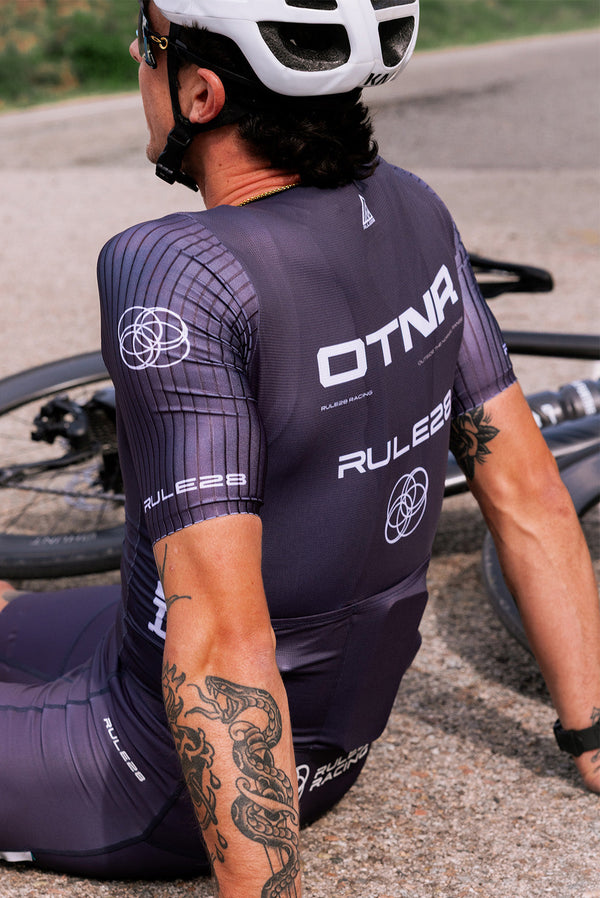
- Form-fitting skinsuits eliminate loose fabric that creates drag.
- Integrated padding reduces the need for bulky chamois, streamlining the lower torso.
- Seam-less construction and low-friction fabrics maintain smooth airflow.
2. Integrated Time Trial Frame
- Triangular tube profiles and hidden cable routing minimize turbulence.
- Optimized geometry positions the rider in a low, aerodynamic posture without sacrificing power output.
- Carbon fiber construction offers stiffness for power transfer while keeping weight low.
3. Deep-Section Wheels
- Front wheels with 45-60″?mm rims cut drag by up to 5″?% compared to standard road wheels.
- Aero spokes and bladed designs further smooth airflow.
- Stiffness and braking performance remain comparable to shallower rims when properly selected.
4. Aerodynamic Handlebars and Stem
- Integrated aero bars reduce frontal area and allow a more compact grip.
- Adjustable stem length and angle enable fine-tuning of the rider’s position.
- Internal cable routing maintains a clean silhouette.
5. Ancillary Upgrades
- Clip-on aero bottle cages and frame-mounted pumps eliminate external accessories.
- Integrated brake levers and shifters reduce drag-inducing protrusions.
- Low-profile saddle and aero seatpost complete the streamlined package.
When these components are sourced from a reputable source of tt aero package solutions, the cumulative effect can translate into significant time savings over a standard 40-km effort.
Quantifying Aero Gains: What Riders Can Expect
Real-world testing and wind-tunnel data consistently show that a well-executed aero upgrade program can shave anywhere from 5 to 15 seconds per kilometer, depending on the rider’s baseline setup and power output. For a 40-km time trial, this equates to a potential gain of 3-10 minutes, enough to move from the middle of the field to a top-ten finish.
Performance Modeling Example
- Baseline: 250″?W output, standard road bike, CdA”????”?0.30″?m??.
- After TT upgrades: CdA reduced to 0.26″?m??.
- Result: Approximate speed increase of 1.2″?km/h, translating to a 2-minute reduction over 40″?km.
These numbers illustrate why elite teams invest heavily in time trial upgrades cycling and why serious amateurs should consider a systematic approach rather than piecemeal changes.
Implementation Strategy: From Assessment to Execution
Integrating an aero package effectively requires a step-by-step plan that balances cost, fit, and performance goals. The following workflow helps riders prioritize upgrades and ensure optimal results.
Step 1 – Baseline Assessment
- Conduct a power-to-speed test on a flat, wind-neutral course.
- Record current CdA using a power meter with aerodynamic analysis software.
- Identify comfort or handling issues that may limit position changes.
Step 2 – Prioritize High-Impact Upgrades
- Start with the most aerodynamically efficient component that offers the greatest CdA reduction (often wheels or handlebars).
- Consider clothing upgrades early, as they provide immediate gains with minimal cost.
- Use a cost-benefit matrix to rank options.
Step 3 – Fit and Position Optimization
- Work with a professional bike fitter to adjust saddle, handlebar reach, and stack height.
- Test the new position on a trainer or low-traffic road to ensure power output is not compromised.
Step 4 – Validation and Fine-Tuning
- Repeat the power-to-speed test after each major upgrade.
- Track time saved and adjust component choices accordingly.
- Maintain a log of weather, equipment, and perceived effort for accurate comparisons.
Following this structured approach maximizes the return on investment and ensures that each addition to the aero gains time trial arsenal is justified by measurable performance improvements.
Conclusion: Leveraging the TT Aero Package for Competitive Success
In time trialling, marginal gains accumulate into decisive advantages. By understanding the aerodynamic principles, selecting the right components, and applying a disciplined implementation plan, cyclists can transform a standard road bike into a purpose-built time trial machine. The result is not just faster speeds, but a more confident, efficient rider who can sustain power longer and race with a strategic edge. For athletes aiming to compete at the highest level, investing in a comprehensive TT aero package is a proven pathway to achieving those crucial seconds that separate winners from the rest of the pack.