
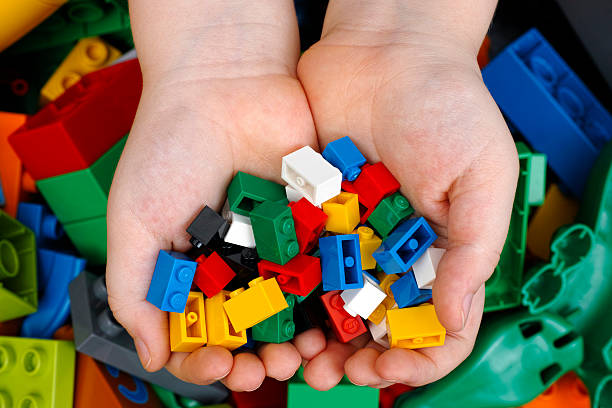
LEGO therapy is an innovative therapeutic approach that harnesses the power of play to improve social skills, communication, and emotional regulation in children. It involves structured group activities using LEGO bricks, encouraging collaboration, problem-solving, and creativity. As this method gains popularity, many therapists and educators are seeking professional training to effectively implement it in their practices. This article provides expert tips for success in LEGO therapy training, helping practitioners deliver impactful sessions that truly benefit their clients.
Understanding the Basics of LEGO Therapy
Before diving into training, it’s crucial to understand what LEGO therapy entails. This therapeutic method was originally developed to help children with autism spectrum disorder (ASD) but has since been expanded to benefit a broader range of participants. The key components of LEGO therapy include:
- Collaborative Building: Participants work together to build LEGO models, fostering teamwork and communication.
- Role Assignments: Roles such as engineer, supplier, and builder are assigned to encourage role-specific skills and responsibility.
- Structured Sessions: Sessions follow a structured format to provide consistency and predictability for participants.
Expert Tips for Effective LEGO Therapy Training
1. Choose Comprehensive Training Programs
When selecting a training program, it’s essential to choose one that covers all aspects of LEGO therapy. Look for programs that offer:
- In-depth knowledge of LEGO therapy principles and methodologies.
- Practical, hands-on learning experiences.
- Support from experienced trainers who can provide real-world insights and guidance.
2. Develop Strong Facilitation Skills
The success of LEGO therapy largely depends on the facilitator’s ability to guide and support participants effectively. Enhancing facilitation skills involves:
- Practicing active listening to understand participants’ needs and challenges.
- Encouraging positive social interactions and addressing conflicts constructively.
- Adapting sessions to accommodate diverse needs and abilities.
3. Create an Inclusive Learning Environment
LEGO therapy thrives in a setting where all participants feel valued and included. To foster such an environment:
- Ensure that all activities are accessible to participants with varying abilities.
- Promote a culture of respect and empathy among group members.
- Encourage peer support and collaboration to build a strong sense of community.
4. Utilize Feedback for Continuous Improvement
Feedback is a vital tool for enhancing the effectiveness of LEGO therapy sessions. Incorporate feedback by:
- Regularly soliciting input from participants and their caregivers.
- Using feedback to refine session plans and address any areas of concern.
- Engaging in ongoing professional development to stay updated with the latest research and practices in LEGO therapy.
Conclusion
Training in LEGO therapy can significantly enrich a therapist’s or educator’s toolkit, offering a dynamic way to support social and emotional development. By selecting comprehensive training programs, honing facilitation skills, fostering inclusivity, and utilizing feedback, professionals can ensure they are well-equipped to deliver successful sessions. As LEGO therapy continues to evolve, staying informed and adaptable will be key to achieving positive outcomes for participants. For more detailed information on LEGO therapy training, explore resources that delve into the nuances of this innovative approach.